PowerIn is built around automated comments for visibility, profile views, and exposure on LinkedIn®. Kynzo is built for recruiters and social sellers who need engagement to support business development, account focus, and follow-up with the right people.
Compare Kynzo vs PowerIn for recruiter business development, LinkedIn™ engagement, target-account visibility, and follow-up workflow.
See how Kynzo supports business development and social selling for recruiting teams compared with PowerIn.
| Features | PowerIn | Kynzo |
|---|---|---|
| Primary focus | Automated comments for visibility and views | Business development and social selling |
| Comment automation | Fully automated at scale | Built for intentional recruiter workflows |
| Customer Feed | ✕ | ✓ |
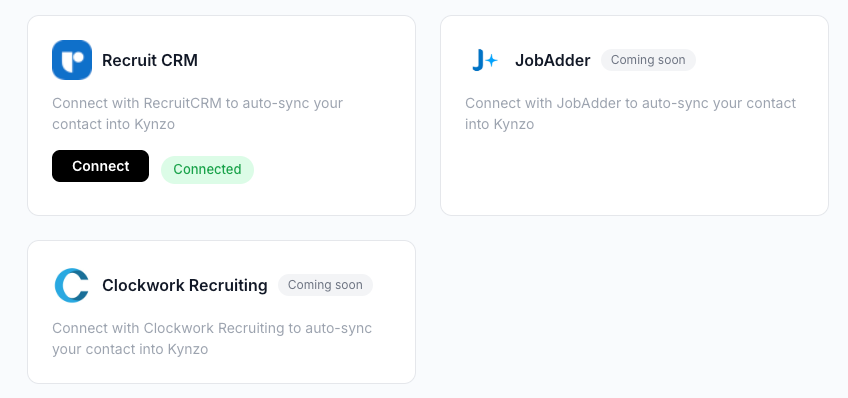
| Recruitment CRM sync | ✕ | ✓ |
| Targeting model | Keywords and creator audiences | Account prioritization for recruiter outreach |
| Goal of engagement | More visibility, profile views, and exposure | More relevant conversations and pipeline movement |
| Risk of non-targeted attention | Higher when comments chase visibility | Lower with account-focused engagement |
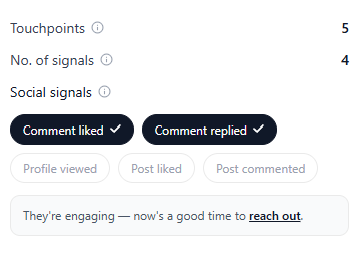
| Follow-up signals for business development | ✕ | Designed for recruiter follow-up |
PowerIn is built around automated comments on posts matched by keywords and creators so users can get seen more often. The problem is that visibility and views from non-targeted people are weak signals if they do not connect back to your actual buyer, client, or prospect list. Kynzo keeps attention on the accounts that matter.
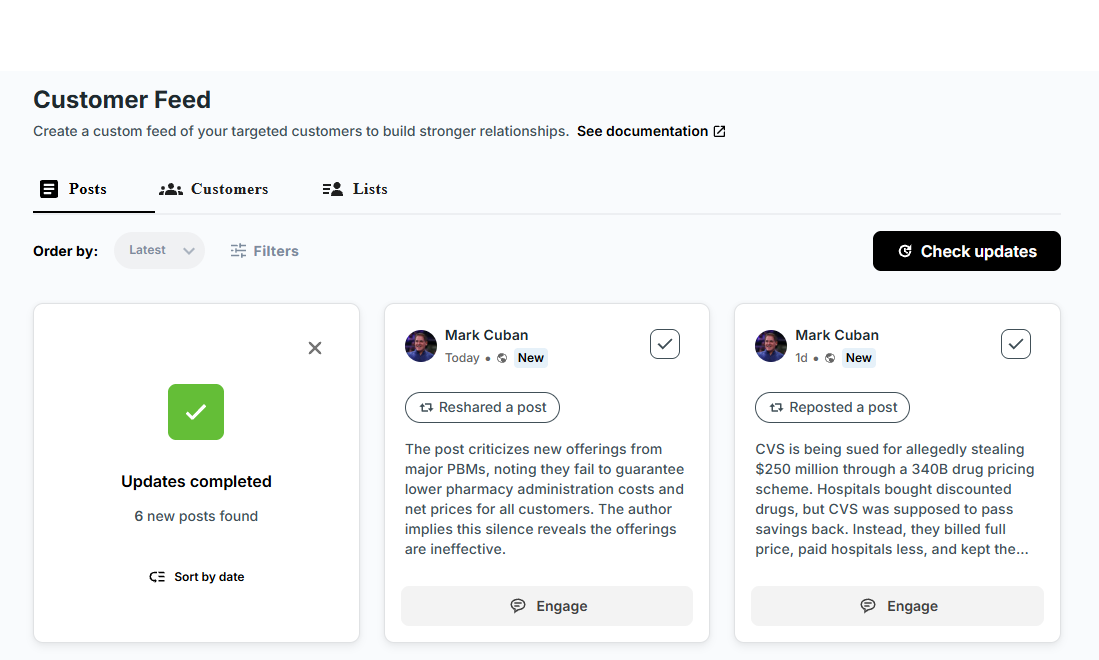
PowerIn emphasizes automated comments at scale, human-like tone, and profile visibility. Kynzo gives recruiters the workflow context that automation-first tools usually miss, helping teams connect engagement with real accounts, client information, and recruiter execution.
PowerIn talks about visibility, profile views, and commenting 24/7. Kynzo helps recruiters understand whether LinkedIn™ activity is actually moving the right relationships forward. That is a stronger business development outcome than simply appearing in more random comment threads, and teams that want cost clarity can view our pricing.
Answers for teams comparing Kynzo vs PowerIn for recruiter business development, social selling, and LinkedIn™ workflow fit.
The main difference is intent. PowerIn is built around automated LinkedIn™ commenting for visibility, profile views, and broader exposure based on keywords and creator audiences. Kynzo is built for business development and social selling, helping recruiters and agencies focus on target accounts, recruitment CRM context, and follow-up decisions.
Yes, if your goal is recruiter-led business development and social selling. Kynzo is designed for recruiters and recruiting agencies that need account prioritization, recruiter workflows, and CRM-backed engagement. PowerIn is centered on automated comment volume and visibility rather than recruiter-specific account workflows.
PowerIn is best for users who want to automate comments on LinkedIn™ posts based on keywords and creator targeting in order to increase visibility, profile views, and general exposure. Its model is more automation-first than recruiter-context-first.
Because extra views and visibility are not the same as business development value if the people noticing you are not actually relevant buyers, clients, or target accounts. Kynzo is positioned around engaging the right people instead of maximizing random comment exposure.
Yes. Kynzo supports recruiter workflows by connecting LinkedIn™ engagement with recruitment CRM context, helping teams keep account information visible and act on follow-up opportunities faster.
Choose PowerIn if you want large-scale automated commenting for broader visibility on LinkedIn™. Choose Kynzo if you need LinkedIn™ engagement to support business development and social selling, especially for recruiter workflows and account-based follow-up.
Choose PowerIn if its core workflow matches how your team works today. Choose Kynzo if you need recruiter-focused LinkedIn™ engagement, CRM-backed context, and a clearer path from visibility to business development conversations.