Reepl splits its attention across LinkedIn® and X while covering content creation, engagement, prospecting, and AI commenting workflows. Kynzo is built for recruiters and social sellers who need LinkedIn™ engagement to support business development, account focus, and follow-up.
Compare Kynzo vs Reepl for recruiter business development, LinkedIn™ engagement, target-account visibility, and follow-up workflow.
See how Kynzo supports business development and social selling for recruiting teams compared with Reepl.
| Features | Reepl | Kynzo |
|---|---|---|
| Primary focus | LinkedIn™ and X AI commenting tool | Business development and social selling |
| Customer Feed | ✕ | ✓ |
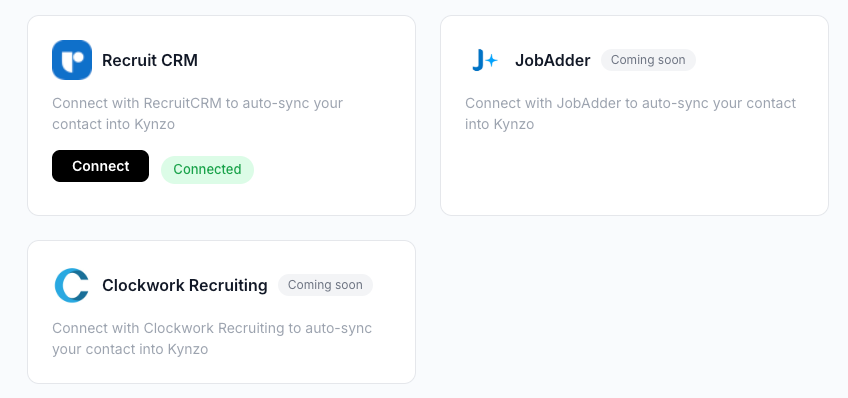
| Recruitment CRM sync | Not recruiter-focused | ✓ |
| Platform focus | Split between LinkedIn™ and X | Focused on LinkedIn™ recruiter workflows |
| Content creation and scheduling | Core focus | Not the core use case |
| Email finder and outreach utilities | Core focus | Not the core use case |
| Social selling workflow | Broad creator, outreach, and AI commenting toolkit | Built for pipeline conversations |
| Follow-up signals for business development | Not the primary positioning | Designed for recruiter follow-up |
Reepl spreads its attention across LinkedIn™ and X while also covering content creation, swipe files, profile tools, and outreach utilities. Kynzo keeps recruiters focused on the LinkedIn™ accounts that matter most to business development instead of a broader AI commenting stack.
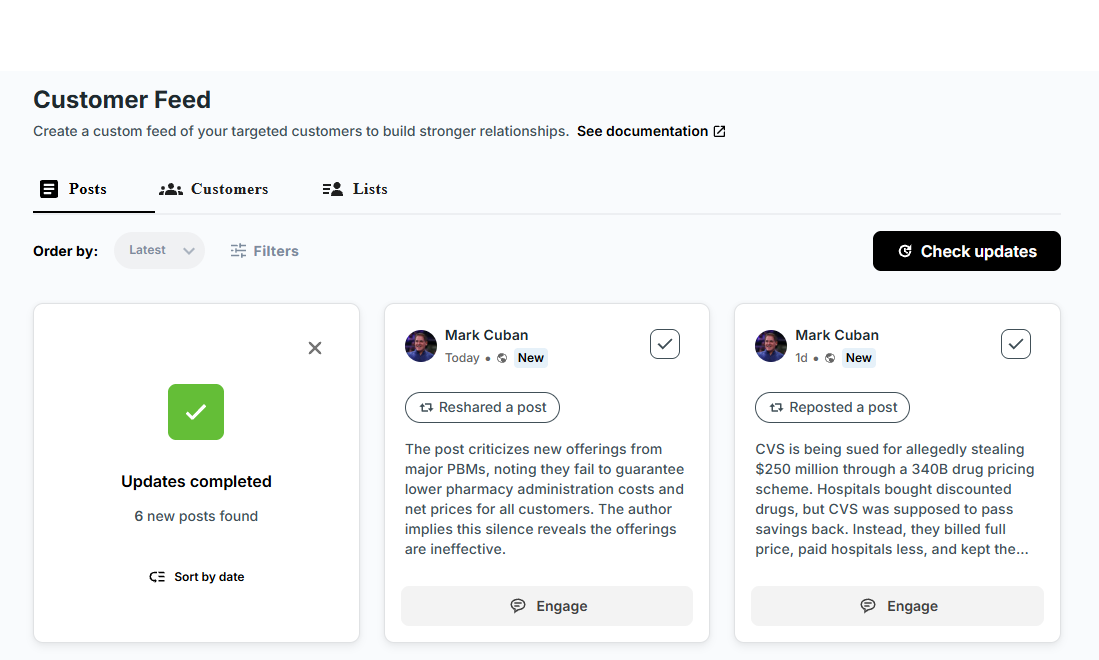
Reepl offers a wide LinkedIn™ and X copilot experience with content, DMs, email lookup, and more. Kynzo is narrower by design: it gives recruiters context around accounts and relationships so engagement stays tied to business development outcomes.
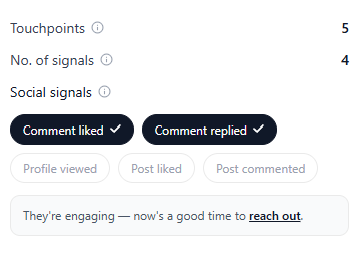
Reepl is designed to help users create, engage, prospect, and grow across LinkedIn™ and X. Kynzo helps recruiters understand which LinkedIn™ interactions are actually moving closer to revenue, making follow-up choices easier and more commercially useful. Teams that want to weigh value before switching can compare plans.
Answers for teams comparing Kynzo vs Reepl for recruiter business development, social selling, and LinkedIn™ workflow fit.
The main difference is positioning. Reepl is a broader LinkedIn™ and X AI commenting tool that combines content creation, comments, DMs, prospecting, swipe files, and outreach utilities. Kynzo is built for business development and social selling, helping recruiters and agencies focus on target accounts, recruitment CRM context, and follow-up decisions.
Yes, if your goal is recruiter-led business development and social selling. Kynzo is designed for recruiters and recruiting agencies that need LinkedIn™ account focus, recruiter workflows, and CRM-backed engagement. Reepl is broader and splits its focus across LinkedIn™ and X as well as content and outreach tooling.
Reepl is best for users who want an all-in-one AI copilot for creating posts, drafting DMs and comments, tracking streaks, prospecting, and increasing visibility across LinkedIn™ and X. It is a multi-purpose AI commenting tool rather than a recruiter-specific business development platform.
Because Reepl explicitly positions itself as a tool for both LinkedIn™ and X. That broader scope may appeal to creators and general AI commenting users, but recruiter teams that need LinkedIn™-specific business development workflows may prefer a more focused platform such as Kynzo.
Yes. Kynzo supports recruiter workflows by connecting LinkedIn™ engagement with recruitment CRM context, helping teams keep account information visible and act on follow-up opportunities faster.
Choose Reepl if you want a broader LinkedIn™ and X copilot for content, DMs, prospecting, and AI commenting utilities. Choose Kynzo if you need LinkedIn™ engagement to support business development and social selling, especially for recruiter workflows and account-based follow-up.
Choose Reepl if its core workflow matches how your team works today. Choose Kynzo if you need recruiter-focused LinkedIn™ engagement, CRM-backed context, and a clearer path from visibility to business development conversations.