Expandi is built for LinkedIn™ outreach, campaign execution, and meeting generation at scale. Kynzo is built for recruiters and social sellers who want human-in-the-loop engagement, trust-building comments, and better timing before outreach moves into the inbox.
Compare Kynzo vs Expandi for recruiter business development, LinkedIn™ engagement, target-account visibility, and follow-up workflow.
See how Kynzo supports business development and social selling for recruiting teams compared with Expandi.
| Features | Expandi | Kynzo |
|---|---|---|
| Primary focus | Scaled multi-channel outreach and meeting generation | Business development and social selling |
| LinkedIn™ outreach automation | Core focus | Not the core use case |
| Human in the loop | Secondary to campaign execution | Core workflow |
| Customer Feed | ✕ | ✓ |
| Recruitment CRM sync | Not recruiter-focused | ✓ |
| Comment-led trust building | Not the main workflow | Core workflow |
| High-volume campaign logic | Core positioning | Built for genuine social selling |
| Social signals before DM timing | Not the primary positioning | Designed for follow-up timing |
Expandi is built to multiply meetings through LinkedIn™ and multi-channel outreach. Kynzo keeps humans in the loop, so relationship building happens through genuine engagement first instead of treating every account like the next step in a campaign engine.
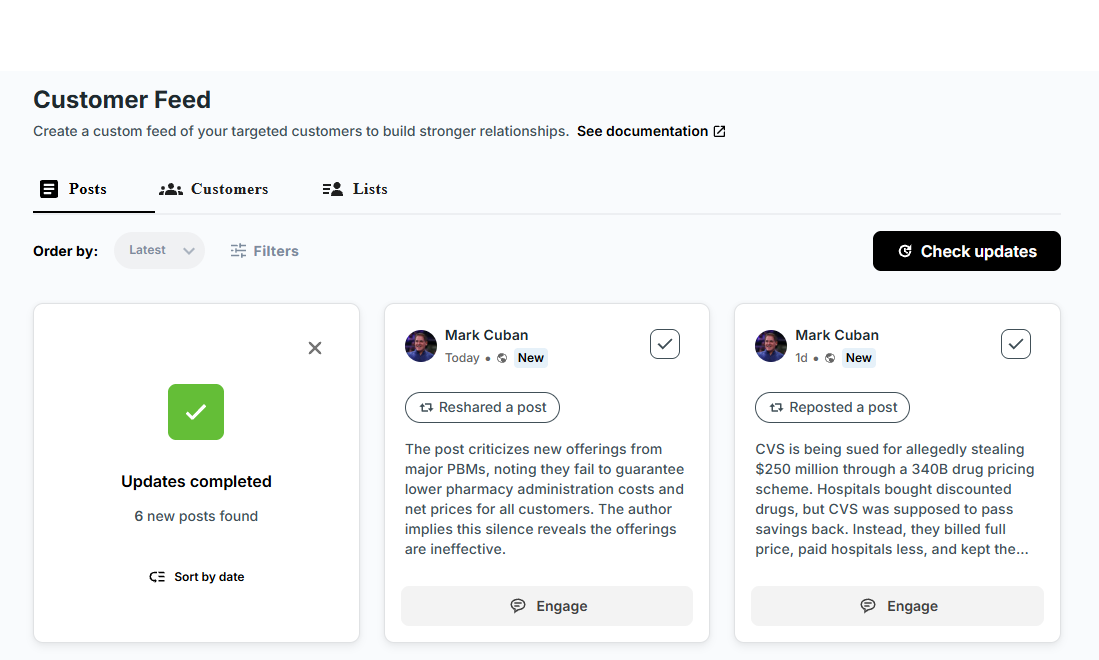
Expandi focuses on outreach channels, campaign performance, and quota-oriented workflows. Kynzo helps teams use thoughtful comments to build trust in front of the target customer and their network first, creating warmer context than sending another uninvited sequence into an already crowded inbox.
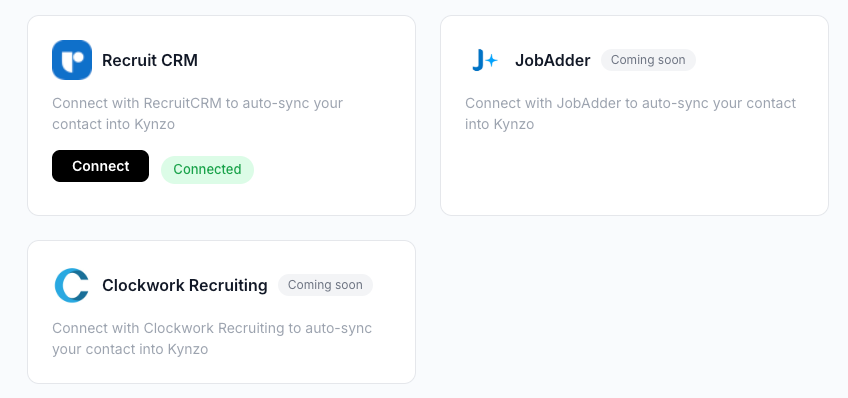
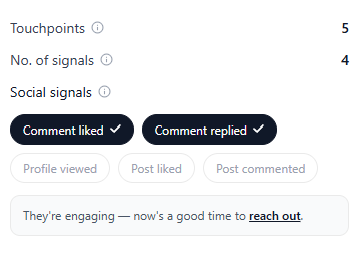
Expandi is designed for campaign execution and meeting generation at scale. Kynzo helps teams read actual engagement and social signals first, so connection requests and direct messages are sent later with more relevance, stronger timing, and a better chance of being welcomed. Teams that want to weigh value before switching can compare plans.
Answers for teams comparing Kynzo vs Expandi for recruiter business development, social selling, and LinkedIn™ workflow fit.
The main difference is workflow philosophy. Expandi is built around scaled LinkedIn™ and multi-channel outreach designed to generate more meetings. Kynzo is built for business development and social selling, helping teams use human-in-the-loop engagement, public trust-building, and social signals before direct outreach starts.
Yes, if your goal is genuine relationship-building instead of campaign-heavy outreach. Kynzo is designed for teams that want thoughtful comments, account context, and signal-based follow-up. Expandi is more aligned with high-volume outreach execution and meeting generation.
Because comments can build trust publicly, create visibility with the target customer and their network, and warm the relationship before a connection request or DM is sent. That can be more effective than entering a crowded inbox with a cold or sequence-driven message.
Kynzo helps teams track social signals, engagement, and account activity first. That means direct outreach can be timed later with better context and a stronger chance of being accepted, read, and replied to.
Yes. Kynzo supports recruiter workflows by connecting LinkedIn™ engagement with recruitment CRM context, helping teams keep account information visible and follow up with more relevance.
Choose Expandi if you want scaled LinkedIn™ outreach and multi-channel campaign execution. Choose Kynzo if you want LinkedIn™ engagement to support business development and social selling through genuine comments, human judgment, and social signals before the inbox stage.
Kynzo is the stronger choice when LinkedIn™ engagement needs to support recruiter business development, target-account visibility, and more relevant follow-up. Expandi may be a better fit if your priority is not recruiter-focused pipeline building.
Choose Expandi if its core workflow matches how your team works today. Choose Kynzo if you need recruiter-focused LinkedIn™ engagement, CRM-backed context, and a clearer path from visibility to business development conversations.